Adaptive Learning in Practice
Research, product thinking, and practitioner notes from the Adaptcourse team.
Five Things People Get Wrong About AI in the Classroom
AI in education is often framed as replacement or surveillance. Neither framing reflects how adaptive systems actually work in a well-designed curriculum.
Spaced Repetition at District Scale: What the Research Says and What We Built
Spaced repetition improves long-term retention, but scheduling it across a classroom of thirty with different pacing histories requires infrastructure, not just a timer.

Integrating an Adaptive Engine Into an Existing LMS: Four Lessons
After working through several LTI and API integrations with course platforms, here is what consistently causes friction and how we approached each problem.
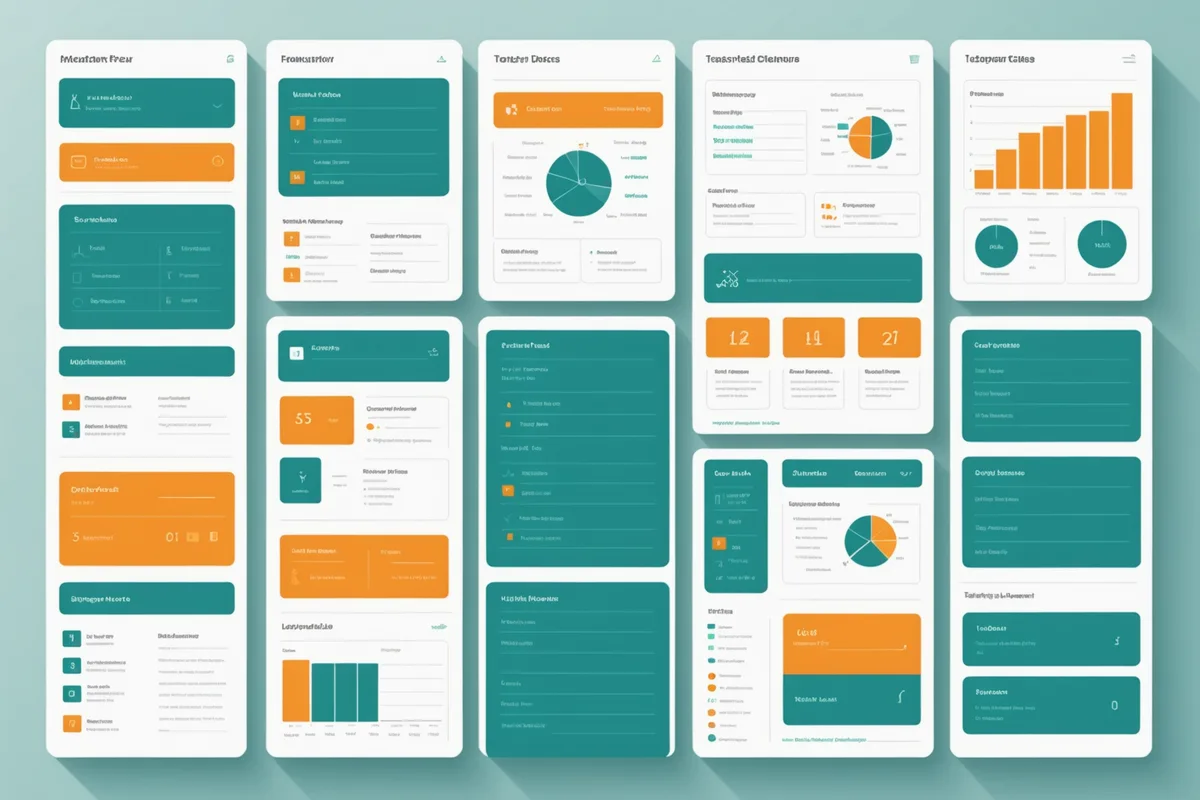
Teacher Dashboard Design: What Actually Gets Checked Every Day
Most learning analytics dashboards are built for administrators. We observed how classroom teachers actually use dashboards and rebuilt our UI around those patterns.

Content Difficulty Calibration in K-12: Beyond Bloom's Taxonomy
Bloom's Taxonomy describes cognitive levels but does not tell you whether question B should follow question A for a student who got question A wrong. Here is how we think about calibration.

Mastery Gating vs. Time Gating: Why the Distinction Matters for Retention
Most LMS platforms advance students on time: complete the week's content, move on. Mastery gating advances on demonstrated understanding. The difference in retention outcomes is not subtle.
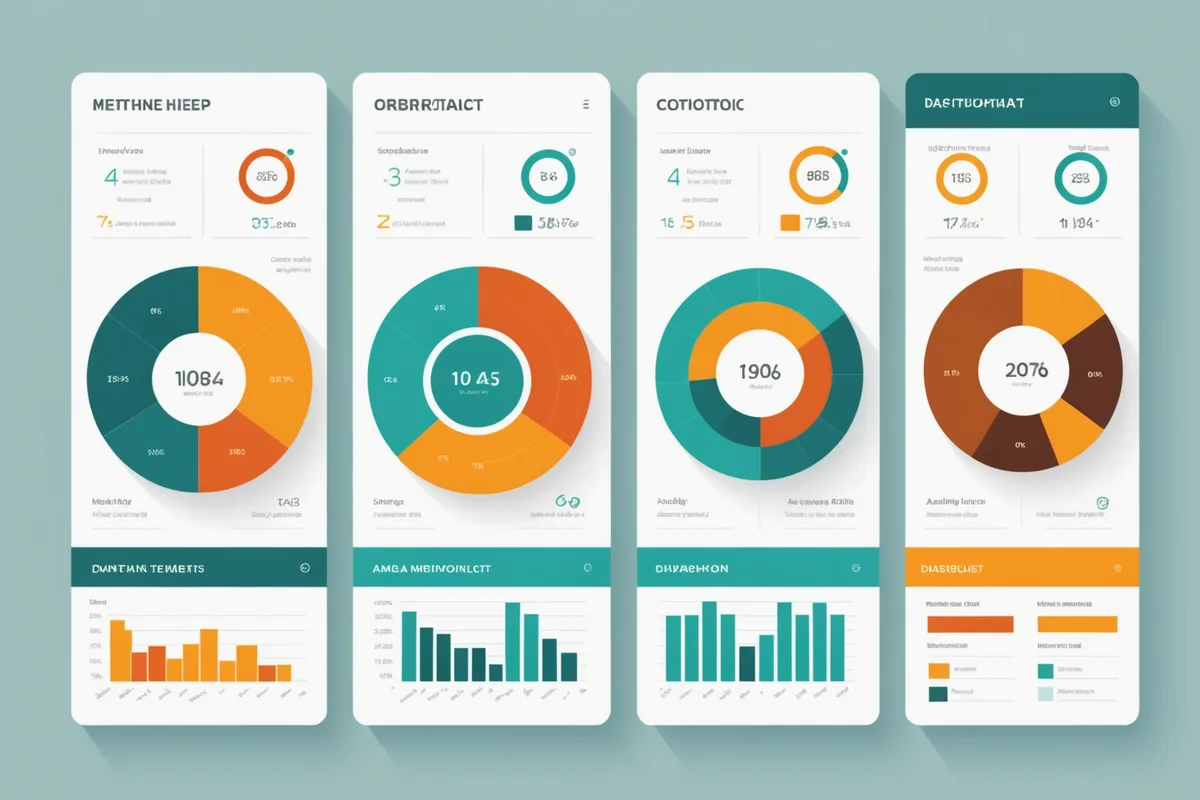
The Adaptive Learning Metrics District Leaders Should Actually Track
Time-on-task and completion rates are easy to report but rarely predict learning outcomes. Here are the metrics that correlate with real student progress.

Why One-Size Curriculum Fails Diverse Classrooms (and What the Data Shows)
In any classroom, prerequisite gaps span 2-3 grade levels. A fixed lesson sequence ignores this entirely. This is not an edge case; it is the median classroom.

Building a Lesson Sequencing Engine: Constraints, Tradeoffs, and Early Mistakes
Building the sequencing engine meant choosing between rule-based graphs, ML ranking, and hybrid approaches. Here is why we chose the path we did and what we would change.
Real-Time Adaptation vs. Quiz-Based Adaptation: Which Actually Improves Pacing?
Quiz-based adaptive systems adjust after a test. Real-time systems adjust after every question. The latency difference changes what you can actually do for a student in a single session.

How Adaptive Pacing Closes Achievement Gaps Without More Teachers
The achievement gap is not primarily a resource problem. It is a pacing problem. Students who move through content at a fixed pace regardless of their current knowledge state fall further behind every week.